It Feels Like I Just Finnished My Period and Im Bleeding Again
Overview
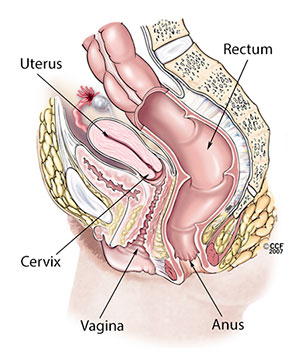
What is abnormal uterine haemorrhage (menometrorrhagia)?
Abnormal uterine bleeding (formerly chosen menometrorrhagia) is when you bleed between your monthly periods or when your periods are extremely heavy and/or prolonged. Normal menstrual flow typically lasts well-nigh five days and occurs every 21 to 35 days.
Your provider should know most any abnormal haemorrhage yous're experiencing. What's causing your bleeding may be harmless. Only your haemorrhage may be a sign of cancer or weather that may negatively impact your fertility.
What is the difference between menorrhagia and menometrorrhagia?
Menometrorrhagia was in one case an umbrella term for two different conditions that sound nearly the same:
- Menorrhagia: excessive and/or prolonged menstruation.
- Metrorrhagia: excessive, prolonged and/or irregular bleeding unrelated to period.
In 2011, the International Federation of Gynecology and Obstetrics (FIGO) changed the names to prevent confusion. Menorrhagia is at present called heavy menstrual bleeding. Menometrorrhagia is at present called abnormal uterine bleeding.
Who does it affect?
The term "abnormal uterine bleeding" primarily describes bleeding in non-meaning people in their reproductive years. Only this doesn't hateful that irregular haemorrhage won't affect you if you're post-menopausal or pregnant.
If y'all're bleeding and have experienced menopause, contact your provider. Bleeding after menopause is never normal. Blood may exist red, pinkish, brown or even rust-like in appearance.
You should also contact your provider if you're haemorrhage during pregnancy. Some causes are harmless, just others require medical attention, especially if the haemorrhage happens late in your pregnancy.
How common is abnormal uterine haemorrhage?
Not everyone who experiences aberrant uterine haemorrhage reports their symptoms. As a result, 10% to 35% of women worldwide may take abnormal uterine bleeding. Only the numbers may exist higher. It'due south near common during menarche (when flow begins) and perimenopause (the years leading upwardly to menopause).
Hormone imbalances are often to arraign for abnormal uterine haemorrhage. They're nearly common among people whose periods are just beginning or almost ending.
Diagnosis and Tests
How is abnormal uterine bleeding diagnosed?
Your healthcare provider will ask you several questions when working to diagnose abnormal uterine haemorrhage. These questions may include:
- What brings on the bleeding?
- What other symptoms are you experiencing?
- Are yous pregnant?
Your healthcare provider volition and then do a physical examination, including:
- A pelvic exam.
- A cervical test.
- A Pap smear (Pap examination).
What tests will be done to diagnose this condition?
Your healthcare provider may order several tests or procedures when diagnosing aberrant uterine haemorrhage. These tests may include:
- A pregnancy test. A miscarriage causes heavy bleeding. You lot tin test positive on a pregnancy test upwardly to 35 days after a miscarriage. Light bleeding is besides common in the early stages of pregnancy.
- Blood tests. Your provider tin can check how your claret clots and do a complete blood count.
- A thyroid test. Problems with your thyroid office may be a sign that at that place is also a problem with your ovary part that could be causing your bleeding.
- Hormone levels test. Hormone imbalances may be causing your aberrant bleeding, or they may be a sign of a condition causing your haemorrhage.
- A hysteroscopic exam of your uterus lining (endometrium). This examination checks for fibroids, polyps or signs of cancer.
- A pelvic ultrasound . Imaging allows your provider to check for whatever growths in your reproductive organs that may exist causing your haemorrhage. A sonohysterogram, besides called saline-infusion sonography, is a highly sensitive imaging procedure that can assist your provider identify abnormal structures in your uterus, like polpys or fibroids.
- A biopsy of your endometrium. Your provider can collect tissue samples from your uterus lining and cheque for signs of cancer or pre-cancer cells.
Direction and Treatment
How is abnormal uterine bleeding treated?
Your treatment depends on what's causing your bleeding. Medications and surgical options are available to manage your haemorrhage or care for what'south causing it.
Medications
Medications used to treat abnormal uterine haemorrhage include:
- Birth command pills.
- Progestin (can be given by a shot, implant or device placed in your uterus called an IUD).
- Nonsteroidal anti-inflammatory drugs (NSAIDs), such as ibuprofen (Advil®, Motrin®).
- Gonadotropin-releasing hormone (GnRH) agonists tin temporarily stop or reduce bleeding past preventing ovulation.
- Gonadotropin-releasing hormone (GnRH) antagonists (elagolix®) can manage heavy catamenia bleeding related to fibroids.
Surgery
At that place are several procedures available to treat abnormal uterine bleeding. Ask your provider about how oftentimes they perform a given process. Seeing a provider who often performs a process often leads to faster recovery with fewer complications.
- Hysteroscopy. A process where your provider removes atypical structures in your uterus, like fibroids and polyps.
- Uterine artery embolization. Stops claret flow to fibroids, causing them to shrink.
- Myomectomy. Removes fibroids while keeping your uterus intact and preserving your ability to go pregnant and have children.
- Endometrial ablation. Destroys your uterus lining through the utilise of a laser, oestrus, electricity, microwave free energy or freezing. You shouldn't have this procedure if you want to become pregnant and have children.
- Hysterectomy. Removes your uterus. Hysterectomy is often used to treat cancer or cancerous changes in your endometrium. Advanced stages of cancer may need radiations or chemotherapy.
Prevention
How tin I reduce my risk?
You can't prevent many causes of abnormal uterine haemorrhage. Simply you can reduce your risk of certain conditions that lead to abnormal haemorrhage. For instance, maintaining a healthy weight plays a potential office in keeping your hormones balanced. Avoiding diets that comprise a high amount of animal fat tin reduce your take a chance of some cancers. Practicing safer sex can reduce your risk of certain sexually transmitted infections (STIs) that can cause abnormal uterine haemorrhage.
Outlook / Prognosis
What can I expect if I have this condition?
Your process for diagnosis and your options for treatment depend on what's causing your haemorrhage. When making a diagnosis, your provider will consider multiple factors, including your age, symptoms, and take chances factors for certain weather condition that cause abnormal bleeding.
Your provider tin individualize your care path – including diagnostic options and handling — based on your concrete exam and medical history.
Living With
When should I see my healthcare provider?
Schedule an date with your provider if you're noticing abnormal uterine bleeding so that they tin can accost the underlying cause.
Symptoms to watch out for include:
- Passing claret clots that are the size of a quarter or larger.
- Changing menstrual products less than every ii hours.
- Bleeding in between periods or for longer than a calendar week.
- Symptoms of anemia, similar feeling fatigued, weak, or curt of breath.
- Symptoms of pica, which include hair loss, pale skin and the urge to eat not-food items (newspaper, pilus, dirt, etc.)
If abnormal bleeding interferes with your quality of life, see your provider. Y'all shouldn't have to double upwardly on menstrual products to manage your blood flow. You shouldn't take to skip activities yous enjoy or avert going out in public because of heavy or unpredictable haemorrhage.
What questions should I ask my provider?
- Do I accept heavy menstrual bleeding?
- Does my blood loss put me at take chances for developing other health conditions?
- Am I bleeding so much that I'1000 at run a risk of developing anemia?
- What are the pros and cons of the handling options available to me?
- What are the best treatment options available if I wish to get significant in the future?
- Will y'all administer my treatment lone, or will information technology involve a care team?
- What surgical experience do you have in treating aberrant uterine bleeding? Is this a routine function of your exercise?
A note from Cleveland Clinic
You're the best judge of what'southward normal for you — how long your periods unremarkably last and how heavy your bleeding is. If your periods are especially heavy or lasting longer than usual, or if you're bleeding outside your menstrual cycle, speak to your provider. Y'all should never suffer in silence or be embarrassed. Many non-invasive handling options are bachelor to yous that tin provide relief from your bleeding.
Source: https://my.clevelandclinic.org/health/diseases/15428-uterine-bleeding-abnormal-uterine-bleeding
0 Response to "It Feels Like I Just Finnished My Period and Im Bleeding Again"
Post a Comment